Makar Sankranti is one of the most important and widely celebrated festivals in India. Observed in mid-January every year, it marks the transition of the Sun into the zodiac sign of Capricorn (Makara). This celestial movement symbolizes the end of the winter solstice and the beginning of longer, brighter days, bringing hope, positivity, and renewal.
At its core, Makar Sankranti is a harvest festival. Farmers celebrate the fruits of their hard work and express gratitude to nature for a successful crop season. Fields filled with golden harvests reflect prosperity and abundance, making this festival deeply connected to rural life and agricultural traditions.
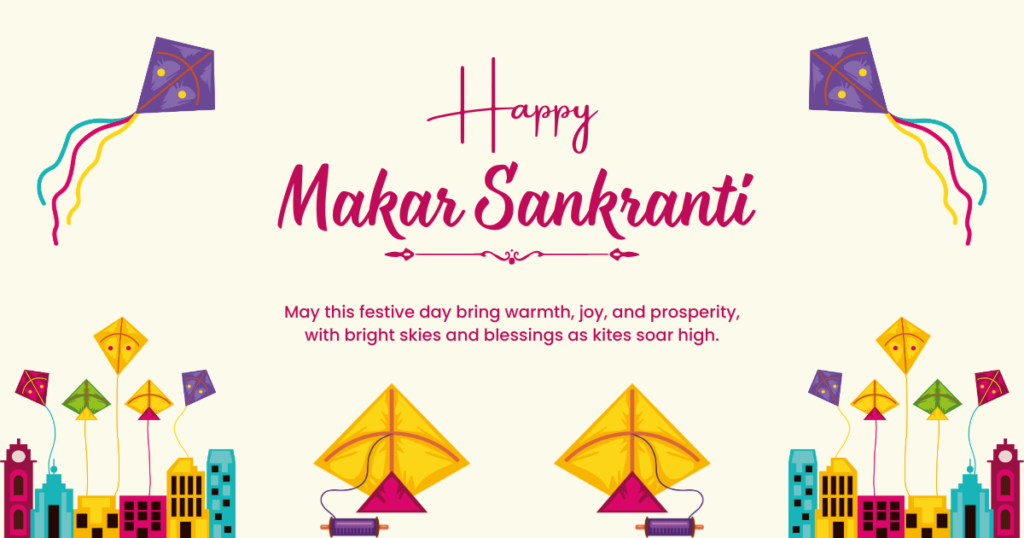
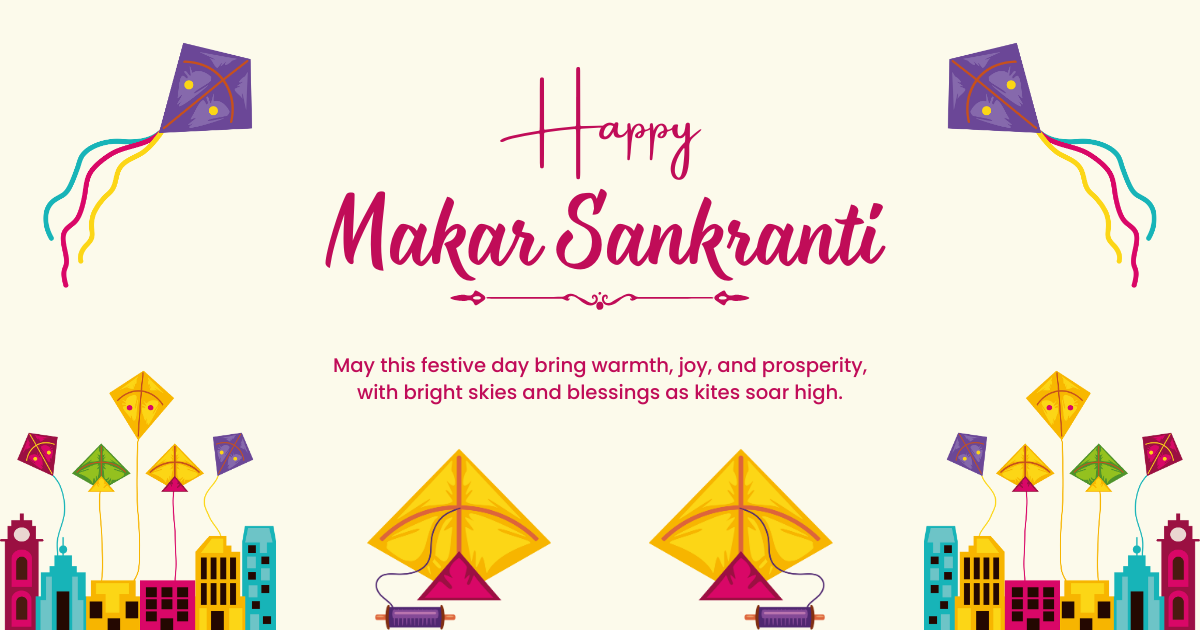
One of the most joyful aspects of Sankranti is kite flying. Colorful kites fill the sky, creating a lively and festive atmosphere. Kite flying is not just a game but a symbol of freedom, joy, and rising above negativity. Families and friends gather on rooftops, sharing laughter, competition, and celebration.
Food also plays a special role in Sankranti celebrations. Traditional sweets made from sesame seeds (til) and jaggery (gur) are prepared and shared. These ingredients represent warmth, unity, and sweetness in relationships. Exchanging til-gul is a beautiful way of spreading love and harmony, with the message of speaking sweet words and maintaining good bonds.
Makar Sankranti is celebrated in different forms across India—Pongal in Tamil Nadu, Uttarayan in Gujarat, Lohri in Punjab, and Magh Bihu in Assam—yet the spirit remains the same. It is a celebration of nature, gratitude, and togetherness.
Beyond rituals and festivities, Makar Sankranti teaches us an important life lesson: to move from darkness to light, from cold to warmth, and from negativity to positivity. It encourages fresh starts, optimism, and balance in life.May this Makar Sankranti fill your life with happiness, prosperity, and bright opportunities.
Happy Sankranti!